A Step-by-Step Guide to Resource Page Link Building
What Is Resource Page Link Building?
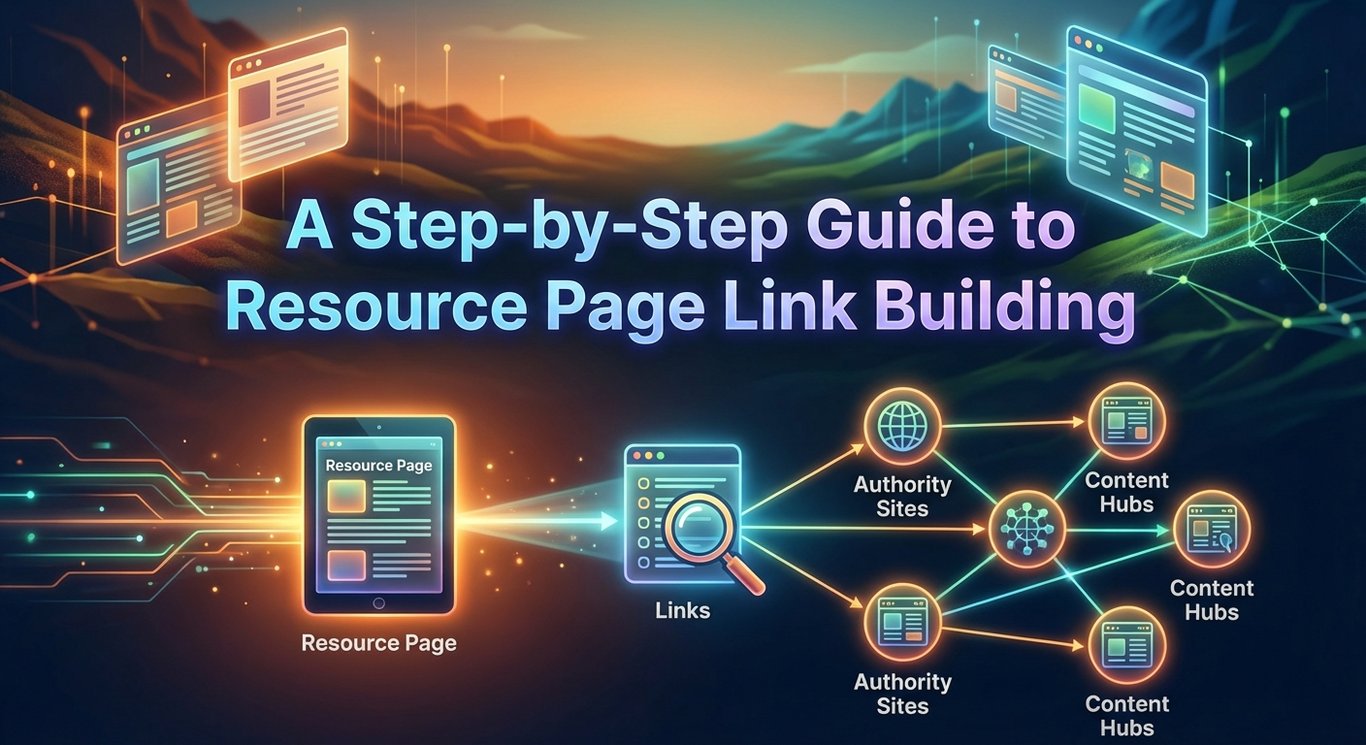
Resource page link building is the strategic practice of acquiring backlinks from curated lists of external resources on other websites, which helps boost your SEO and site traffic. Essentially, you find a webpage that lists helpful links for a specific topic, reach out to the owner, and ask them to include your content because it adds value to their audience. This method is highly effective because it focuses on building relationships and providing useful information rather than just asking for a favor. 🔗
These resource pages are effective because they are designed to provide user value by directing visitors to useful tools and information, making site owners open to relevant additions. When a webmaster creates a "Useful Links" or "Resources" page, their goal is to be the best hub of information possible for their readers. If you present them with a high-quality piece of content that fits perfectly on their list, you are actually helping them improve their website, which makes securing that backlink much easier.
Why Resource Page Link Building Still Works in 2026
One of the biggest benefits of this strategy is improved domain authority, targeted traffic, and better search rankings that come from securing relevant, high-quality links. When a respected website in your industry links to you, it signals to search engines like Google that your content is trustworthy and authoritative. This vote of confidence not only helps your pages climb the search results but also sends highly interested visitors directly to your site who are looking for exactly what you offer. 🚀
Despite some rumors in the SEO world, it is important to address common myths, such as resource pages being spammy, by emphasizing a focus on quality sites. While low-quality link directories are definitely a thing of the past, genuine resource pages curated by humans are still very valuable. The key difference lies in targeting legitimate websites that real people use, rather than automated link farms that exist solely to manipulate algorithms.
Furthermore, this strategy maintains modern relevance with the help of AI tools and updates that allow for ongoing success in a changing digital landscape. While search engines get smarter, the need for human-curated collections of best-in-class content remains strong. By using modern tools to find these opportunities faster, you can secure placements that drive results for years to come.
Step 1: Identify Relevant Resource Pages
Using Search Operators and Queries
To get started, you can use Google search operators like "keyword + resources," "links," or "best keyword" to find pages that are already listing content similar to yours. These special search commands tell Google to filter results specifically for pages that are likely to be resource hubs. For example, typing "intitle:resources" along with your topic can instantly reveal hundreds of potential targets that you wouldn't find with a normal search. 🔍
It is helpful to provide examples tailored to your specific niche, such as searching for "best SEO tools resources" or "gardening tips + links." If you run a fitness blog, you might try queries like "fitness + useful links" or "nutrition + recommended reading." By mixing and matching these terms, you can build a massive list of potential websites that are already predisposed to linking to external content.
Analyzing Competitors' Backlinks
Another powerful method is to use SEO tools to review your competitors' resource page links and see where they are getting their authority from. If a website links to your competitor's guide, there is a very high chance they would be interested in your content too, especially if yours is newer or more comprehensive. This strategy takes the guesswork out of the process because you already know the site owner is willing to link to third-party sites.
"Resource pages provide value to users by directing them to useful information or tools. When you contribute this kind of content to a resource page, you're building a relevant link to your website." -LinkBuilder.io
When analyzing their data, search for terms like "resource" or "links" in their backlink profile to spot the best opportunities quickly. Most SEO tools allow you to filter backlinks by the title of the referring page. By filtering for these specific words, you can instantly separate standard blog post mentions from high-value resource pages that are perfect for your outreach campaign. 🕵️♂️
Step 2: Evaluate and Prioritize Resource Pages
Once you have a list of targets, check the relevance to your niche and the quality of existing links to ensure the page is worth your time. You don't want to get a link from a page that has nothing to do with your industry, as this can look confusing to search engines. Furthermore, look at the other sites listed; if they link to reputable, well-known brands, it is a good sign that this is a high-quality neighborhood for your link to live in.
Next, you need to assess domain authority (DA/DR), check for broken links, and verify that the page is still being maintained. A link from a site with high authority will pass more "link juice" to your site, boosting your rankings faster. Additionally, if you notice the page has broken links (links that lead to 404 error pages), this gives you a perfect excuse to reach out and offer your working link as a replacement, which significantly increases your success rate. 🛠️
Finally, create a prioritized list with columns for URL, title, niche, DA, broken links, and outreach status to keep your campaign organized. This spreadsheet will serve as your roadmap, preventing you from contacting the same person twice or forgetting to follow up. By sorting this list by the most valuable opportunities first, you ensure that your energy is spent on the links that will move the needle the most.
"The simplest way to search for relevant resource pages is through a Google search. Use your desired keyword with words like 'resources' or 'links.' Then search for those phrases." -Infidigit
Step 3: Create or Select Link-Worthy Content
Types of High-Quality Content
To succeed, you must focus on guides, infographics, tools, and case studies that fill gaps and provide immense value to the reader. Resource page owners want to link to content that makes them look good for sharing it, which usually means comprehensive "ultimate guides" or free interactive tools. Visual assets like infographics are also highly linkable because they summarize complex information in a way that is easy to digest.
On the flip side, you must avoid self-promotional service pages and prioritize informational value if you want your request to be accepted. A webmaster is very unlikely to link to your "Buy Now" product page or your homepage because it doesn't offer immediate educational value to their audience. Instead, direct them to a helpful blog post or a free calculator on your site, which serves as a softer, more helpful entry point. 🙅♂️
Matching Content to Page Gaps
Before reaching out, analyze the existing links on target pages for topics and formats to understand what the owner already values. If you see they have ten links about "beginner yoga" but nothing about "yoga for seniors," you have identified a content gap. Understanding the theme of the page helps you position your content as the missing piece of the puzzle.
Based on your analysis, suggest creating complementary advanced guides or niche explorations that add something new to their list. If their page is full of text-heavy articles, offering a video tutorial or a visual chart can be very appealing. By matching your content to the specific needs of their page, you transition from asking for a favor to offering a genuine upgrade to their resource.
"Pages that openly promote your services or products usually don't offer value to the resource page's audience. In addition, these links appear self-serving and are less likely to be included." -LinkBuilder.io

Step 4: Find the Right Contacts for Outreach
Finding the right person is crucial, so use site directories, about pages, or tools like Hunter.io to identify webmasters or specific content managers. Sending your email to a generic "info@" inbox often results in it getting lost or ignored. Taking the extra five minutes to find the name of the editor or site owner shows that you have done your homework and respect their time. 📧
When dealing with universities or government sites, you should target department coordinators or faculty members who manage specific resource lists. These websites usually have high authority, but they are also bureaucratic, so finding the exact person in charge of the "Student Resources" page is vital. Often, professors or library staff are the gatekeepers for these valuable .edu links.
Above all, avoid generic contact forms whenever possible and dig for precise emails to increase your open rates. A direct email lands in a personal inbox where it is harder to ignore than a form submission that might go to a spam folder. If you can't find a specific email, try to connect with them on LinkedIn or Twitter to ask who the best person to contact would be.
Step 5: Craft Personalized Outreach Emails
Email Structure and Templates
Your emails must use personalization with the recipient's name, specific site references, and a clear explanation of mutual benefits. Start by mentioning something you genuinely liked about their website to prove you are not a robot. Then, explain that you have a resource that would be a perfect addition to their specific page, highlighting why their readers would find it helpful.
"Rather than sending a generic request, explain where on their resource page your link could add value. Your message should be friendly yet professional. Even if you start with an outreach template, adding personal touches can go a long way in establishing a connection." -LinkBuilder.io
To make it easy for them to say yes, suggest the exact link placement and even provide the ready HTML or a clear description of where it fits. For example, you could say, "I think my guide would fit perfectly under the 'Advanced Tips' section, right after the link to Moz." The less work the webmaster has to do to add your link, the more likely they are to actually do it. ✨
Follow-Up Strategies
Timing is everything, so send polite reminders if you receive no response after a few days, but don't be annoying. It is common for people to miss emails or simply forget to reply, so a friendly nudge 3 to 5 days later can often get the job done. Keep the follow-up short, simply asking if they had a chance to see your previous message.
It is essential to track your outreach in a spreadsheet to ensure you don't accidentally spam people or forget who showed interest. Record the dates you sent emails, who opened them, and who replied. This organization helps you maintain professional relationships and allows you to analyze which subject lines or templates are working best.
Tools and Resources to Streamline the Process
You can significantly speed up your workflow by using SEO tools like Ahrefs, Moz, or SEMrush for discovery and backlink analysis. These platforms are the heavy lifters of the SEO world, allowing you to find thousands of resource page opportunities in seconds rather than hours. They also help you vet the quality of the sites so you don't waste time reaching out to low-quality domains. 🛠️
"A backlink from a relevant resource page is far more valuable for your SEO than a link from a page that is unrelated to your content." -Bird Marketing
Additionally, utilize content tools like Canva and Grammarly to ensure your assets are top-notch, and outreach aids like Hunter.io to find contact info. Canva helps you create the visual assets that attract links, while Grammarly ensures your outreach emails are professional and error-free. Hunter.io connects the dots by finding the email addresses you need to get your pitch in front of the right eyes.

Tracking Success and Measuring Results
Once your campaign is running, monitor new backlinks, referral traffic, and keyword rankings to see the impact of your efforts. You should start to see an uptick in the number of sites linking to you, which is the primary goal. However, don't just look at the link count; check if those links are actually bringing real visitors to your site.
Use Google Analytics and Google Search Console metrics to get a deeper understanding of how these links are affecting your site's performance. Look for improvements in your organic search traffic and see if the pages you built links to are climbing higher in Google search results. These tools provide the hard data you need to prove the ROI of your link-building campaign. 📈
Finally, refine your strategy based on your win rates and iterate on the process to improve over time. If you notice that university sites are ignoring you but niche blogs are loving your content, shift your focus to what works. SEO is an ongoing experiment, so use your data to make your next campaign even more successful than the last.
Common Mistakes to Avoid
A major pitfall is targeting irrelevant or low-quality pages and using spammy outreach tactics that annoy webmasters. Sending a generic email to a site that has nothing to do with your niche is a waste of everyone's time and can damage your brand's reputation. Always ensure there is a logical connection between your content and the site you are pitching.
Another frequent error is neglecting follow-ups or failing to update your content after you have secured the links. Many opportunities are lost simply because the outreach stopped after one email. Furthermore, if your content becomes outdated, webmasters might remove your link, so keep your resources fresh and current to maintain those hard-earned backlinks. 🚫
FAQ
What are the best search operators for finding resource pages?
The most effective search operators combine your keyword with terms that indicate a list of links. Try using "keyword + inurl:resources", "keyword + intitle:links", or "keyword + helpful resources". These commands filter Google results to show pages that have "resources" or "links" in their URL or title, which are usually the curated lists you are looking for.
How do I know if a resource page is worth targeting?
A resource page is worth targeting if it is relevant to your niche and has a decent Domain Authority (DA). You should also check if the page has outbound links to other reputable sites, as this indicates the owner cares about quality. Avoid pages that look abandoned or are filled with spammy ads.
Should I create new content or use existing pages?
You can do both, but creating new, targeted content often yields better results. If you have an existing guide that is truly excellent, use it. However, if you spot a specific gap in a resource page, creating a new piece of content specifically to fill that gap makes your outreach pitch much stronger.
What makes an outreach email effective?
An effective outreach email is personalized, concise, and value-driven. It addresses the recipient by name, mentions something specific about their site, and clearly explains why your link adds value to their readers. It should not sound like a sales pitch, but rather a helpful suggestion from one professional to another.
How long does it take to see results from resource page link building?
Results can vary, but you might start seeing new backlinks within a few weeks of starting your outreach. However, the impact on your rankings and traffic usually takes a bit longer, often 3 to 6 months. SEO is a long-term game, and consistent effort builds the momentum needed for significant growth.
Conclusion
To recap, we have walked through the complete step-by-step process from identifying targets to crafting the perfect outreach email and tracking your results. By using smart search operators, analyzing competitors, and creating content that fills genuine gaps, you set yourself up for success. This systematic approach ensures that you aren't just shooting in the dark, but building a portfolio of high-quality backlinks that strengthen your website's foundation.
Key takeaways to remember are to always prioritize relevance and quality over quantity, personalize every single outreach email, and create standout content that people actually want to read. Measuring your results and iterating on your strategy is crucial for long-term SEO gains. Remember, a few links from authoritative, relevant resource pages are worth far more than hundreds of low-quality directory links.
Start your resource page link building campaign today by identifying 10 relevant pages this week, crafting link-worthy content, and sending personalized outreaches. Don't wait for the perfect moment; the best time to start building authority is right now. Implement this guide to boost your site's authority and rankings now! 🚀